- "He experienced the joys of service, but he had few opportunities for meaningful interactions through which caring relationships and understanding may develop"
- This represents the inherent problem with certain ways we teach kids charity. In the fashion taught here, the kids only learns that homeless people need help but not necessarily how. Never in this lesson is the kid taught to communicate with the homeless or humanize them; not to mention the removal of the homeless from the conversation about helping them.
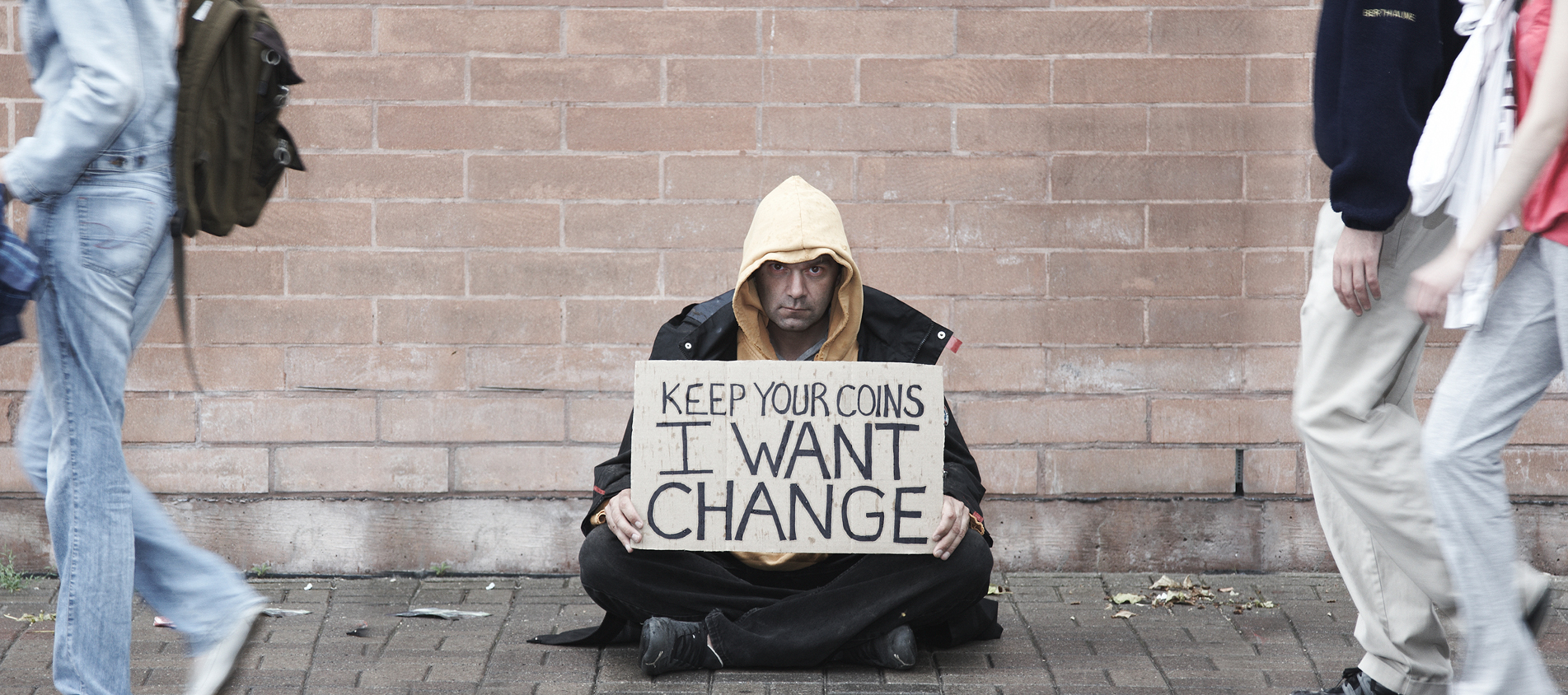
- "In contrast, much of the current discussion regarding service learning emphasizes charity, not change."
- The way the conversation should go in regards to helping homeless people shouldn't solely be about helping them with gifts or food. I am in no way saying charity does not have it's place, but we also need to consider that the situation needs to change. We need to teach kids ways to advocate for the homeless instead of just charity alone.
- "One student wrote "Everyone at the school had good manners, and I think more highly of (the neighborhood) now"."
- By getting students to go out into these communities, we can create a more human picture of the homeless. We right now characterize these people as unruly, uneducated, and lazy; but that is far from the truth. We simply need to shine a greater light on the people who actually do live in this situation.
- "Many parents would not want their children exposed to the life-styles portrayed in this episode."
- This single quote sums up the whole issue as to why kids are not adjusted to the idea of same-sex couples; it isn't normal to them. If a child is exposed to same-sex couples early on in a way that presents it as normal, the child would pick up on that such arrangements are normal instead of exotic or foreign. The "Sugartime" episode s a good example of this as the idea of a same-sex couple is not dug into more than "hey this kid has two moms" and that's it.
- Maria's lived reality as a young lesbian was erased by a teacher's red pen.
- The other consequence of erasing same-sex relationships from popular media. Assuming that boys like girls and visa-versa can be damaging and hurtful, especially if the individual in question is "out of the closet". Being an "out" lesbian like Maria should have been enough for those around her to pick up on things as simple as "she is into girls, not boys".
- Children hold assumptions not only about what exists, but about what is good and safe.
- If a child is exposed to something and given the opportunity to understand it, they will seek to understand it. Kids are both insatiably curious and unafraid of new things. This changes when they become adults, as they have already developed their world view. And adult exposed to a new thing is more likely to be afraid and dispute it than a child would.
